Horse chestnut seed extract: aescin, the Cochrane review and our dose
Horse chestnut is the tree that gives British children their conkers, and its seed extract is probably the best-researched herb in the area of leg veins. Two LymphActiv capsules contain 100 mg of horse chestnut seed extract standardised to 20% aescin, so 20 mg of aescin. The research behind horse chestnut is real, but it was done at higher doses, in people with a diagnosed vein condition. This page explains the difference, and why raw conkers must never be eaten.
What horse chestnut extract is
Horse chestnut (Aesculus hippocastanum) is a large ornamental tree, and the extract is made from its seeds, the conkers. Its main studied compound is aescin (also spelled escin), a mixture of saponins.
Horse chestnut is not related to the sweet chestnut sold roasted at Christmas markets. Raw conkers, as well as the bark, leaves and flowers, contain esculin and other substances that are poisonous. Commercial extracts are processed to remove these and standardised to a set aescin content.
| Point | In practice |
|---|---|
| Botanical name | Aesculus hippocastanum L., seed |
| Amount in LymphActiv | 100 mg of extract per 2 capsules |
| Aescin content | 20%, so 20 mg of aescin per day |
| Doses in the main trials | Usually 50 to 150 mg of aescin per day |
| Authorised health claim | None: we make no claim for horse chestnut |
What the Cochrane review found
A Cochrane review by Pittler and Ernst (updated in 2012) found that, in people with chronic venous insufficiency, horse chestnut seed extract improved leg pain, swelling and itching compared with placebo in the short term. The authors judged it a possible short-term option for that condition, while calling for larger, longer trials.
The review brought together 17 randomised controlled trials. Most lasted a few weeks to a few months, and the side effects reported were generally mild and infrequent. This is a meaningful result, and it is why horse chestnut appears in European herbal medicine monographs. The European Medicines Agency's herbal committee (HMPC) has a monograph on horse chestnut seed for this use, based on clinical data.
But look closely at who was studied: adults with a diagnosed medical condition of the leg veins, taking a medicinal extract at a defined dose. Chronic venous insufficiency is something to discuss with your GP, who can assess it and suggest proven treatments such as compression where appropriate. Our guide on when to see a GP lists the signs that should not be ignored.
Why our dose is not comparable
LymphActiv provides 20 mg of aescin a day, well below the 50 to 150 mg typically used in the trials in the Cochrane review. The results of those trials therefore cannot be applied to LymphActiv.
Horse chestnut medicines in the UK
In the UK, some horse chestnut products are registered with the MHRA as traditional herbal medicines, under the Traditional Herbal Registration (THR) scheme. They carry a THR logo and a patient leaflet, and they are dosed for a defined use.
LymphActiv is not a THR medicine. It is a food supplement, which is why it can only use authorised health claims, and those come from its vitamins: vitamin C contributes to normal collagen formation for the normal function of blood vessels, and vitamins C and E contribute to the protection of cells from oxidative stress. If you are considering a horse chestnut medicine for a vein problem, ask your pharmacist or GP; do not combine it with LymphActiv without advice, to avoid doubling up on aescin.
Its place in LymphActiv
Horse chestnut is one of five plant extracts in LymphActiv, alongside red vine leaf, dandelion leaf, maritime pine bark and bromelain, plus vitamins C and E.
Every ingredient and its amount is listed on our LymphActiv ingredients page, with the official label. To discover the product and its packs, visit the home page.
Tolerance and precautions
Processed horse chestnut seed extract is generally well tolerated; the effects reported in trials include stomach upset, nausea, itching and headache. A few groups of people need to be more careful.
- Blood thinners: horse chestnut is discussed in the literature in relation to anticoagulants and antiplatelets, as are bromelain and OPCs, also present in LymphActiv. Ask your GP or pharmacist first.
- Kidney or liver problems: the label advises against LymphActiv in cases of oedematous heart or kidney failure. If you have any kidney or liver condition, speak to your doctor.
- Pregnancy, breastfeeding, under-18s: not recommended, as stated on the label.
- Never eat raw conkers: if a child or pet swallows one, call NHS 111 or your vet for advice.
Our side effects and precautions page gathers all the label warnings.
Frequently asked questions
My child ate part of a conker. What should I do?
Do not panic, but get advice. Call NHS 111, or 999 if the child is drowsy, struggling to breathe or very unwell. Keep a sample of what was eaten if possible.
Does the NHS prescribe horse chestnut?
Herbal remedies are not generally prescribed on the NHS. NHS advice on varicose veins focuses on self-care, compression stockings where appropriate and procedures when needed. NICE guidance sets out when a GP should refer someone to a vascular service.
Can I take LymphActiv with a horse chestnut product from Boots or Holland & Barrett?
We advise against combining them without professional advice, because you would add up the aescin from both. Show both labels to your pharmacist, who can tell you whether it makes sense for you.
Is 20 mg of aescin a "low dose" version of the medicine?
No. It is simply a food supplement containing a horse chestnut extract. We state the amount clearly so you can compare, and we make no claim of any effect from it.
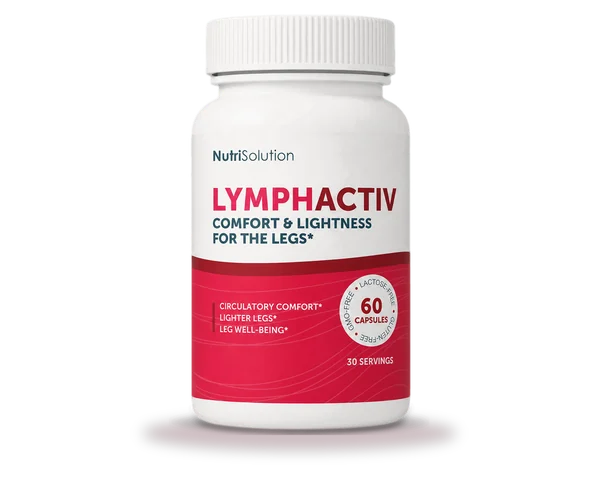
LymphActiv: 7 ingredients, 2 capsules a day
- Red vine leaf (360 mg), dandelion (300 mg), bromelain (200 mg)
- Maritime pine bark (142.5 mg OPC) and horse chestnut (20 mg aescin)
- Vitamin C, which contributes to normal collagen formation for the normal function of blood vessels, and vitamin E
- 180-day money-back guarantee, only through the official order page
Sources
- Pittler MH, Ernst E (2012): Horse chestnut seed extract for chronic venous insufficiency. Cochrane Database of Systematic Reviews, CD003230.
- European Medicines Agency, HMPC: European Union herbal monograph on Aesculus hippocastanum L., semen.
- MHRA: Traditional Herbal Registration scheme and herbal medicines (gov.uk).
- NICE (2013): Varicose veins: diagnosis and management, clinical guideline CG168.
- NHS: Varicose veins (nhs.uk).
- LymphActiv official label (composition and precautions).