Heavy legs: understanding the feeling and knowing when to act
Heavy legs describes a feeling of weight, tiredness or aching in the legs, often worse at the end of the day, after standing or sitting for long periods, or in warm weather. It is very common and frequently harmless, but it can also be a sign of a vein problem or another medical condition. This guide, written for readers in the UK, explains the usual reasons, what you can do day to day, and which signs mean you should contact your GP, NHS 111 or 999. It also tells you plainly where a food supplement such as LymphActiv does and does not fit.
What "heavy legs" feels like
People describe heavy legs as legs that feel tired, full, tight or "like lead", sometimes with aching, cramps at night or slightly puffy ankles by the evening. It is a description of a sensation, not a diagnosis.
The feeling often improves overnight or after raising the legs, and returns during the day. Many people notice it more in summer, at the end of a long shift, after a flight or during pregnancy. Because several quite different conditions can produce similar sensations, the pattern matters: one leg or both, sudden or gradual, painful or simply uncomfortable, with skin changes or not.
| Pattern | What it often suggests |
|---|---|
| Both legs, worse in the evening and in heat, better after rest | Often linked to posture, heat or veins; worth mentioning to your GP if it persists |
| Visible twisted, bulging veins with aching | Varicose veins: see your GP if they bother you |
| One leg suddenly swollen, painful, warm or red | Possible blood clot (DVT): get help from NHS 111 now, or call 999 if you are breathless or have chest pain |
Why legs feel heavy
The most common reasons are long periods of standing or sitting, warm weather, pregnancy, excess weight and problems with the valves in the leg veins. Less often, the cause is a medical condition affecting the heart, kidneys, liver, lymphatic system or blood flow.
Blood returning from the legs to the heart has to travel upwards. It is helped by one-way valves inside the veins and by the calf muscles, which squeeze the veins each time you walk. When you stay still, or when the valves work less well, blood tends to pool lower down and the legs can feel heavy. Heat widens the veins, which is why symptoms are often worse in a UK heatwave or on holiday. Some medicines can also cause ankle swelling.
Our detailed page on the causes of heavy legs goes through each of these, including chronic venous insufficiency, lymphoedema and lipoedema.
What you can do day to day
Regular movement, raising your legs when resting, avoiding standing still for long periods and keeping to a healthy weight are the foundations of NHS self-care advice. Compression stockings can help some people, but should be fitted after advice from a professional.
Walking is the simplest habit: every step works the calf muscle pump. At a desk or on a long journey, flexing your ankles and getting up regularly also helps. Our page of everyday tips for heavy legs covers work, travel, summer heat and sleep in practical detail.
Signs that need medical attention
A swollen, painful, warm or red leg, especially on one side only, can be a sign of deep vein thrombosis (DVT) and needs urgent assessment: get help from NHS 111 now. If you are also breathless or have chest pain, call 999 or go to A&E.
Heavy legs that persist, varicose veins that ache, itch or bleed, skin that becomes discoloured or hardened around the ankle, or swelling that does not settle after a few days are reasons to book a GP appointment. Our guide on when to see a GP about heavy legs sets out who to contact for which signs.
Where LymphActiv fits
LymphActiv is a food supplement, not a medicine. It is not intended to treat, cure or prevent any condition, whether heavy legs, varicose veins, venous insufficiency, lymphoedema or anything else.
It contains plants traditionally used in Europe, such as red vine leaf and horse chestnut, together with vitamins C and E. Its only authorised health claims come from those vitamins: vitamin C contributes to normal collagen formation for the normal function of blood vessels, and vitamins C and E contribute to the protection of cells from oxidative stress. The research on each plant, with its limits, is explained on our LymphActiv ingredients page. If you choose to take it, it can only be one part of a routine built on movement, sensible habits and medical advice when needed.
Frequently asked questions
Should I see my GP about heavy legs?
Yes, if the feeling is persistent, getting worse, affects your sleep or daily life, or comes with visible veins, skin changes or swelling. Your GP can examine your legs and, if needed, refer you to a vascular service following NICE guidance. Urgent signs, such as one swollen painful leg, need NHS 111 or 999 straight away.
Can I get compression stockings on the NHS?
Yes, compression stockings can be prescribed by a GP after an assessment. They are not suitable for everyone, for example people with poor arterial circulation, so get advice before buying them over the counter at a pharmacy.
Are heavy legs worse in summer in the UK?
Many people notice it more in hot weather, because heat widens the veins. Keeping cool, moving regularly and raising your legs in the evening are sensible steps. Sudden swelling in one leg is never simply "the heat".
Is LymphActiv a varicose vein treatment?
No. LymphActiv is a food supplement and makes no claim to treat or prevent varicose veins or any other condition. Varicose veins should be discussed with your GP.
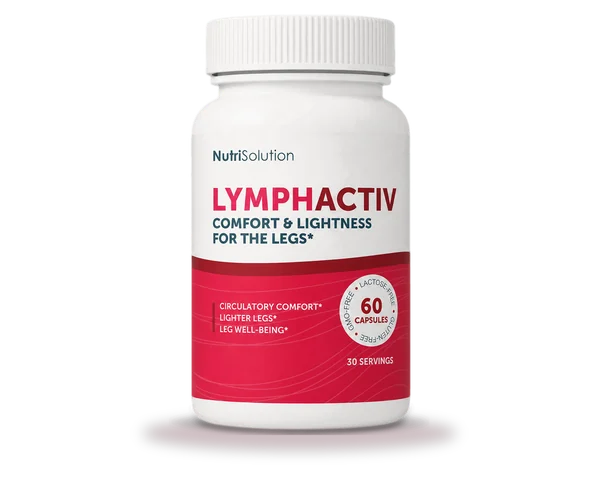
LymphActiv: 7 ingredients, 2 capsules a day
- Red vine leaf (360 mg), dandelion (300 mg), bromelain (200 mg)
- Maritime pine bark (142.5 mg OPC) and horse chestnut (20 mg aescin)
- Vitamin C, which contributes to normal collagen formation for the normal function of blood vessels, and vitamin E
- 180-day money-back guarantee, only through the official order page
Sources
- NHS: Varicose veins (nhs.uk).
- NHS: Swollen ankles, feet and legs (oedema) (nhs.uk).
- NHS: Deep vein thrombosis (DVT) (nhs.uk).
- NICE (2013): Varicose veins: diagnosis and management, clinical guideline CG168.
- NHS: Compression stockings (nhs.uk).