Maritime pine bark extract and OPCs: an honest look
Maritime pine bark extract is made from the bark of Pinus pinaster, a pine that grows along the Atlantic coast of south-west France. Two LymphActiv capsules contain 150 mg of extract standardised to 95% oligomeric proanthocyanidins (OPCs), so 142.5 mg of OPCs. Pine bark extracts have been tested in many small trials, and a 2020 Cochrane review looked at all of them together. Its verdict was cautious, and we think you should know it.
What maritime pine bark extract is
It is a water-based extract of the outer bark of the maritime pine, concentrated in polyphenols. The maritime pine forests of the Landes in France supply most of the bark used for these extracts.
Several branded pine bark extracts exist on the market, each with its own manufacturing process and standardisation. That matters, because research on one branded extract does not automatically apply to another. Our label states the botanical name, Pinus pinaster Aiton, the amount of extract and its OPC content.
| Point | In practice |
|---|---|
| Botanical name | Pinus pinaster Aiton, bark |
| Amount in LymphActiv | 150 mg per 2 capsules |
| Standardisation | 95% OPCs, so 142.5 mg of OPCs |
| Authorised health claim | None: we make no claim for pine bark or OPCs |
What OPCs are
OPCs, or oligomeric proanthocyanidins, are short chains of flavonoid building blocks (catechin and epicatechin) that occur naturally in many plants. You already eat them in apples, grapes, cocoa, tea, red wine and berries.
They are part of the large polyphenol family. In the laboratory, OPCs show antioxidant activity and interact with proteins such as collagen. These are observations in test tubes and cells, and they do not show that taking OPCs has a particular effect in the body. In LymphActiv, the authorised claim on protecting cells from oxidative stress belongs to vitamins C and E, not to the OPCs.
What the Cochrane review found
A Cochrane review published in 2020 (Robertson and colleagues) analysed 27 randomised trials of pine bark extracts across ten chronic conditions, including chronic venous insufficiency, and concluded that the evidence was insufficient to support their use for any of them.
The reviewers pointed to small numbers of participants, short durations, differences in how outcomes were measured and a risk of bias in many trials, several of which were funded by manufacturers. In other words, some individual studies reported positive results, but taken together they were not strong enough to draw conclusions. Cochrane reviews are independent and widely respected, which is why we prefer to quote this one rather than a single favourable study.
Its place in LymphActiv
Pine bark extract is the main source of OPCs in LymphActiv, alongside the polyphenols naturally present in red vine leaf. It is one of seven ingredients in a daily serving of two capsules.
LymphActiv's authorised health claims come from its vitamins only: vitamin C contributes to normal collagen formation for the normal function of blood vessels, and vitamins C and E contribute to the protection of cells from oxidative stress. You can see every ingredient and amount on our LymphActiv ingredients page, and the product presentation on the home page.
Tolerance and precautions
Pine bark extracts were generally well tolerated in trials, with occasional mild stomach upset, dizziness or headache reported. The main point of caution concerns medicines that affect blood clotting.
- Blood thinners: OPCs are discussed in the literature in relation to anticoagulants and antiplatelet medicines. LymphActiv also contains bromelain and horse chestnut. Ask your GP or pharmacist before use.
- Before surgery: tell your surgeon or dentist about all supplements you take.
- Pregnancy and breastfeeding: LymphActiv is not recommended, as stated on the label.
The complete label precautions are listed on our side effects and precautions page.
Frequently asked questions
Is the pine bark in LymphActiv the same as the branded extracts sold in the UK?
Not necessarily. Several branded maritime pine bark extracts are sold in UK health food shops, each with its own process and standardisation. LymphActiv contains a Pinus pinaster bark extract with 95% OPCs, as stated on the label. Research on one brand cannot simply be applied to another.
Do OPCs count towards my five a day?
No. The NHS five a day advice is about eating fruit and vegetables, which bring fibre, vitamins and many other compounds as well as polyphenols. A supplement does not replace a varied, balanced diet, as the LymphActiv label itself states.
I take aspirin prescribed by my GP. Should I avoid LymphActiv?
Aspirin at a low dose is an antiplatelet medicine. Because LymphActiv contains OPCs, bromelain and horse chestnut, all discussed in relation to blood clotting, ask your GP or pharmacist before combining them.
Why quote a review that is not favourable?
Because it is the most complete independent summary available, and because the Advertising Standards Authority and UK food law rightly expect supplement makers not to overstate evidence. We would rather you trust us for being straight with you.
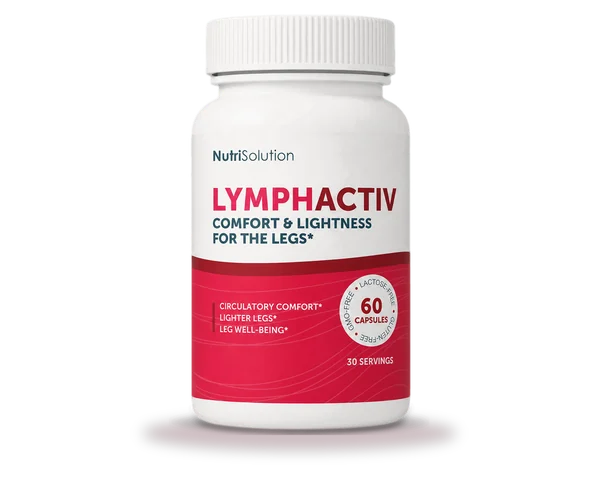
LymphActiv: 7 ingredients, 2 capsules a day
- Red vine leaf (360 mg), dandelion (300 mg), bromelain (200 mg)
- Maritime pine bark (142.5 mg OPC) and horse chestnut (20 mg aescin)
- Vitamin C, which contributes to normal collagen formation for the normal function of blood vessels, and vitamin E
- 180-day money-back guarantee, only through the official order page
Sources
- Robertson NU, Schoonees A, Brand A, Visser J (2020): Pine bark (Pinus spp.) extract for treating chronic disorders. Cochrane Database of Systematic Reviews, CD008294.
- Rasmussen SE, Frederiksen H, Struntze Krogholm K, Poulsen L (2005): Dietary proanthocyanidins: occurrence, dietary intake, bioavailability, and protection against cardiovascular disease. Mol Nutr Food Res 49(2).
- NHS: 5 A Day (nhs.uk).
- NHS: Anticoagulant medicines (nhs.uk).
- LymphActiv official label (composition and precautions).