Vitamins C and E: the source of LymphActiv's health claims
Two LymphActiv capsules provide 80 mg of vitamin C and 12 mg of vitamin E, which is 100% of the Nutrient Reference Value (NRV) for each. These two vitamins are the only ingredients in our formula with authorised health claims on the Great Britain nutrition and health claims register. Every claim we make is theirs, worded exactly as authorised. This page explains what they mean, how the amounts compare with NHS intakes, and where else you get these vitamins.
How much LymphActiv contains
One daily serving of two capsules contains 80 mg of vitamin C as L-ascorbic acid and 12 mg of vitamin E as DL-alpha-tocopheryl acetate. Both amounts equal 100% of the NRV, the reference value used on food and supplement labels in the UK and the EU.
| Vitamin | Form on the label | Per 2 capsules | % NRV |
|---|---|---|---|
| Vitamin C | L-ascorbic acid | 80 mg | 100% |
| Vitamin E | DL-alpha-tocopheryl acetate | 12 mg | 100% |
The NRV is a labelling reference, not a personal target. It is set to cover the needs of most healthy adults, and you may well already reach it through your diet.
The authorised health claims
LymphActiv can use four authorised claims, and only four: three for vitamin C and one for vitamin E. They belong to the vitamins, not to the plant extracts and not to the product as a whole.
- Vitamin C contributes to normal collagen formation for the normal function of blood vessels.
- Vitamin C contributes to the reduction of tiredness and fatigue.
- Vitamin C contributes to the protection of cells from oxidative stress.
- Vitamin E contributes to the protection of cells from oxidative stress.
These claims were assessed by the European Food Safety Authority (EFSA) before the UK left the EU, and they are kept on the GB register maintained for England, Scotland and Wales. In Northern Ireland, the EU register applies; the wording is the same. The asterisks on the front of the LymphActiv label ("Comfort & lightness for the legs*", "Circulatory comfort*") refer to the vitamin C claim, as the label itself explains.
Vitamin C in more detail
Vitamin C is a water-soluble vitamin that the human body cannot make, so it must come from the diet every day. It is needed to build collagen, the structural protein found in skin, cartilage, bones and the walls of blood vessels.
That role in collagen is the basis of the claim on blood vessels. Vitamin C also acts as an antioxidant and is involved in energy metabolism, which is reflected in the tiredness and fatigue claim. The NHS states that adults aged 19 to 64 need 40 mg of vitamin C a day, which most people get from food. Long-term, severe lack of vitamin C causes scurvy, which is rare in the UK but still seen.
Vitamin E in more detail
Vitamin E is a group of fat-soluble compounds that help protect cell membranes from oxidative stress. Alpha-tocopherol is the form the body uses most.
The NHS gives 4 mg a day for men and 3 mg a day for women as the amount needed. LymphActiv uses DL-alpha-tocopheryl acetate, a stable form widely used in supplements. Because vitamin E is fat-soluble, it is better absorbed when taken with a meal containing some fat, which is a good reason to take your two capsules with food. Our page on how to take LymphActiv covers the practical details.
Food first
A varied diet is the best source of both vitamins, and the LymphActiv label reminds you that supplements should not replace a varied, balanced diet and a healthy lifestyle.
| Vitamin | Good food sources (NHS) |
|---|---|
| Vitamin C | Oranges and orange juice, red and green peppers, strawberries, blackcurrants, broccoli, Brussels sprouts, potatoes |
| Vitamin E | Plant oils (rapeseed, sunflower, olive), nuts and seeds, wheatgerm |
Vitamin C is easily lost in cooking and storage, so lightly steamed or raw vegetables keep more of it.
Safety and upper limits
The amounts in LymphActiv are far below the levels associated with side effects. The NHS says that taking less than 1000 mg of vitamin C a day as a supplement is unlikely to cause harm, and that 540 mg (800 IU) or less of vitamin E a day is unlikely to cause harm.
If you already take a multivitamin, add up the total, which will still be well within these limits for most people. The other LymphActiv precautions relate to the plant extracts and are set out on our side effects and precautions page. For the complete formula, see the LymphActiv ingredients page.
Frequently asked questions
Why does LymphActiv only make claims about vitamins?
Because under UK food law, a supplement can only use health claims authorised on the GB register. No claim is authorised for red vine leaf, dandelion, bromelain, pine bark or horse chestnut. The Advertising Standards Authority enforces the same rules in advertising, and we follow them.
I already take a vitamin C tablet from my local pharmacy. Is that too much?
Many UK vitamin C tablets contain 500 mg or 1000 mg. Adding 80 mg from LymphActiv keeps most people near the NHS guide of under 1000 mg a day from supplements, but if you take a high-dose product, check the total with your pharmacist.
Is synthetic vitamin E worse than natural vitamin E?
The DL form contains a mix of forms and is somewhat less active weight for weight than the natural D form. Both are recognised forms of vitamin E for food supplements, and the acetate form is chosen for its stability. Our label states 12 mg of vitamin E, 100% of the NRV.
Do vitamins C and E help with tiredness from standing all day?
Vitamin C contributes to the reduction of tiredness and fatigue, but that general claim says nothing about legs or standing. If tiredness is persistent, see your GP: it can have many causes worth checking.
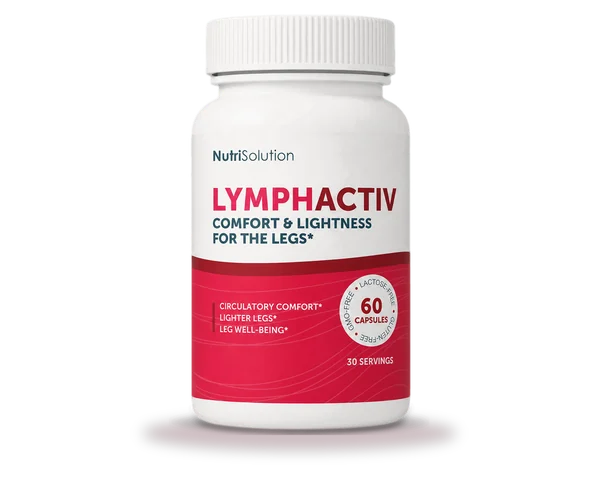
LymphActiv: 7 ingredients, 2 capsules a day
- Red vine leaf (360 mg), dandelion (300 mg), bromelain (200 mg)
- Maritime pine bark (142.5 mg OPC) and horse chestnut (20 mg aescin)
- Vitamin C, which contributes to normal collagen formation for the normal function of blood vessels, and vitamin E
- 180-day money-back guarantee, only through the official order page
Sources
- Department of Health and Social Care: Great Britain nutrition and health claims (NHC) register (gov.uk).
- Commission Regulation (EU) No 432/2012 establishing a list of permitted health claims made on foods.
- EFSA NDA Panel (2009, 2010): Scientific opinions on the substantiation of health claims related to vitamin C and vitamin E. EFSA Journal.
- NHS: Vitamin C (nhs.uk, Vitamins and minerals).
- NHS: Vitamin E (nhs.uk, Vitamins and minerals).
- Regulation (EU) No 1169/2011 on the provision of food information to consumers, Annex XIII (Nutrient Reference Values), as retained in GB law.
- LymphActiv official label (composition and claims).